
Roll splitters are specialized machines for the efficient shredding and processing of cables, electric motors, coils, and other round or cylindrical materials. They enable precise separation of metal and sheathing, making them an indispensable component in many recycling processes. Thanks to their robust construction, high throughput capacity, and reliable cutting technology, roll splitters are suitable for continuous industrial use.
Results 1–12 of 13 are displayed
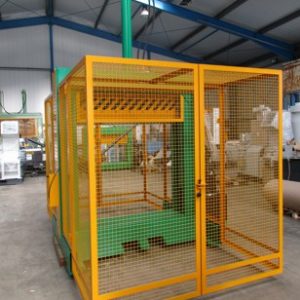
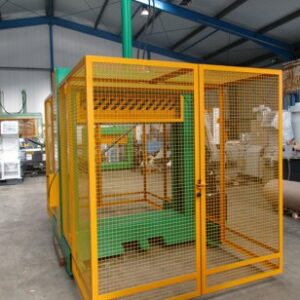
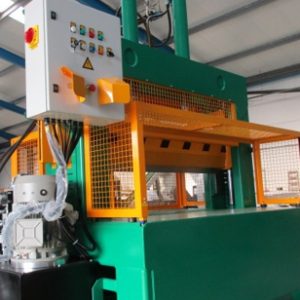
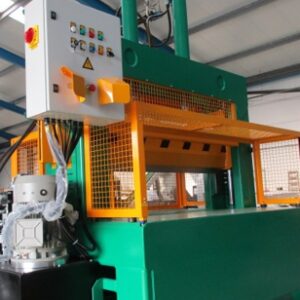
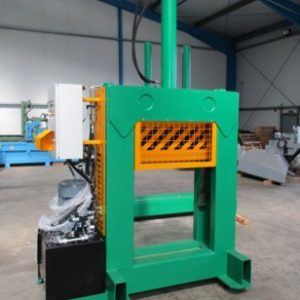
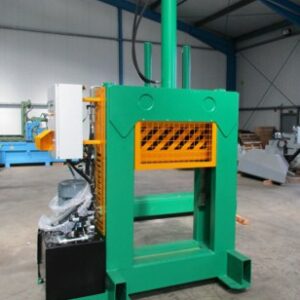
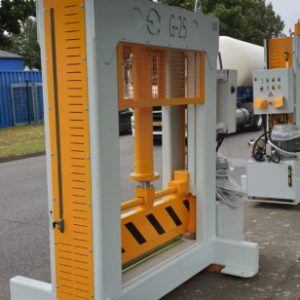
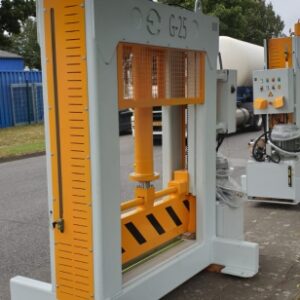
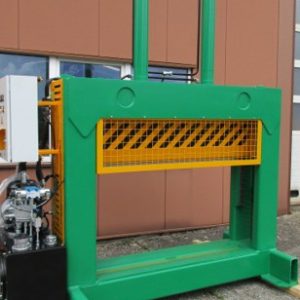
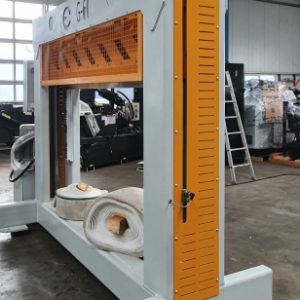
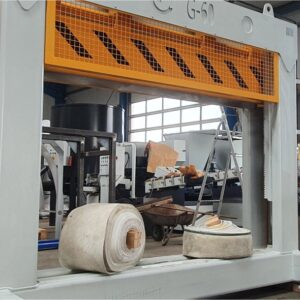
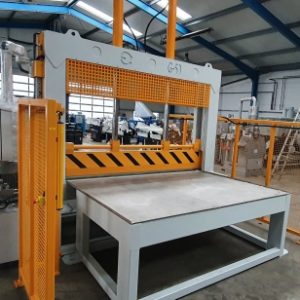
Roll splitters work with rotating blades and strong contact forces to safely separate even tightly compacted or thick-walled materials. Depending on the model, different roll sizes, diameters, and material thicknesses can be processed. They can be flexibly integrated into existing recycling lines and ensure a significant increase in material yield.
Roll splitters are used, among other things, for processing cable bundles, transformer windings, aluminum and copper rolls, electric motor components, and other round materials containing metal. They enable economical pre-shredding, which makes the subsequent recycling process significantly more efficient.
Several model series are available for different requirements. These differ in terms of cutting force, roller size, contact pressure, and power consumption.
Roll splitters are characterized by robust components, long service life, simple operation, and high material quality. They enable clean separation of metal and coatings, increase the recycling rate, and optimize the entire recycling process.